LATAM: Latin American Journal of Social Sciences and Humanities recently published a study on the implementation of the Poverty Stoplight, developed by Fundación Paraguaya, at Sueñolar, highlighting the results observed among its employees.
The purpose of the study was to assess how changes associated with the Poverty Stoplight influenced employees’ perceptions of their overall well-being.
According to the findings, 87.5% of the surveyed employees rated the company’s support linked to the Poverty Stoplight as “excellent,” reflecting a high level of satisfaction with the initiative.
The publication notes that the methodology made it possible to identify critical non-monetary deprivations — such as housing conditions, health, and education — and to foster processes of self-awareness and personal agency among participants.
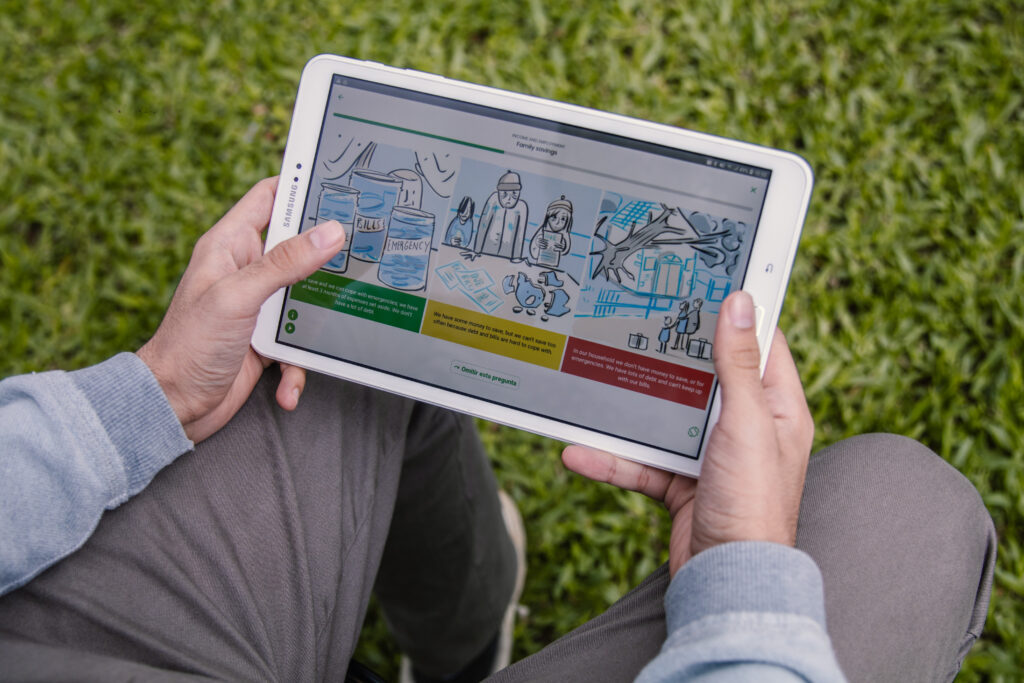
The Poverty Stoplight helped identify individual needs across six dimensions of well-being, enabling the company to provide more targeted and effective support to its employees.
However, the study also concludes that the perceived impact decreases when there is no ongoing follow-up, underscoring the importance of continuous mentoring and periodic assessments to ensure sustainable improvements.
The publication emphasizes that the Poverty Stoplight serves as an effective catalyst for transforming corporate social investment, shifting from traditional assistance-based approaches to strategies focused on empowerment and comprehensive human development.
These findings provide valuable insights for organizations seeking to integrate multidimensional poverty measurement tools into their employee well-being and corporate social responsibility programs, highlighting tangible improvements in workplace well-being.